The legislature seems determined to subvert democracy
Chalkbeat reports that a pair of possible “solutions” are floating around – plans that would allow the General Assembly to intervene in Shelby County Schools:
One proposal in the House would take power away from the elected school board for at least four years, giving oversight of the school district to a state-appointed board of local residents. A proposal in the Senate would give the Shelby County Commission greater control over the school district — at a time when commissioners have already proposed creating an advisory board to consult with the school board.
Less than one year after starting her work as Director of Schools in Memphis-Shelby County, Marie Feagins has been fired.
Chalkbeatreports that by a 6-3 vote, the school board opted to terminate Feagins’ contract.
Marie Feagins was fired Tuesday as superintendent of Memphis-Shelby County Schools, setting the district back to where it has been repeatedly in recent years: searching for leadership.
A bitterly divided school board voted 6-3 to oust Feagins less than 10 months into her tenure, approving a resolution that cited allegations of professional misconduct and poor leadership.
An effort to oust Memphis-Shelby County Schools Superintendent Marie Feagins was put on hold Tuesday night when a divided school board voted to push the debate to next month.
In a 5-4 vote, the board referred a resolution to oust Feagins over allegations of “professional misconduct” to a committee meeting in January.
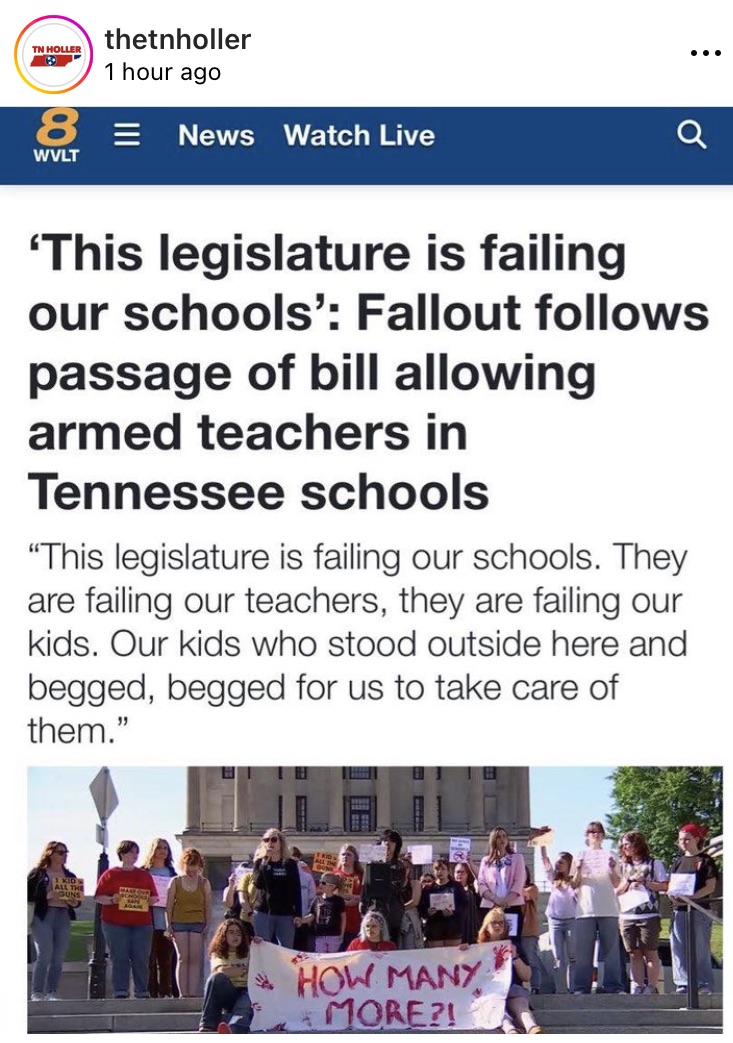
District rejects legislative plan to put more guns in schools
Officials in Memphis have announced that their school system will not allow teachers to carry guns at school, despite a legislative decision that would allow districts to permit teachers who receive certain training to carry firearms on school grounds.
Minimum salary moved to $50K, all teachers will see pay increase
Districts across Tennessee are making moves to increase teacher compensation in the face of a growing shortage of applicants and long lists of open positions.
Chalkbeatreports that Memphis-Shelby County will move starting teacher pay to a minimum of $50,000 a year and bump pay for all teachers – raises that could amount to $4000 or more for most teachers.
Memphis-Shelby County Schools is raising its minimum teacher salary to $50,811 under a new agreement with its two teachers unions, delivering on their salary goals despite a $150 million budget shortfall next year.
Teachers, administrators, and board members, meanwhile, cheered the agreement, which raises the district’s starting salary by 8% for teachers with undergraduate degrees and ensures that veteran teachers receive raises once they have hit the top of the district’s 19-step salary scale.
The move comes even as lawmakers rejected providing additional state funds to assist school districts in raising teacher pay.
Memphis-Shelby County Schools has a new budget proposal that offers teachers a 2% raise plus a $1500 retention bonus.
While this sounds nice – it IS more money, it really begs the question: Is that all?
Chalkbeat has more on the details of the nearly $2 billion budget proposal:
Memphis-Shelby County Schools teachers would receive a 2% pay raise and $1,500 retention bonuses as part of the $1.93 billion proposed budget approved by school board members Tuesday.
Fulfilling Superintendent Joris Ray’s promises earlier this year to invest in educators, the 2022-23 budget would also funnel nearly $12 million into educators’ tiered pay scale and add a new step on the scale for principals.
The budget, passed on a 5-0 vote, also directs $3.5 million to bump up the district’s contribution to employee health insurance premiums to 70% from 66%, and $3 million to raises for substitute teachers.
While a 2% raise and a $1500 salary increase are nice moves, that’s simply not enough.
It’s unfortunate that Bill Lee’s TISA plan and current funding scheme aren’t dedicating more to public schools We currently have a surplus in excess of $3 billion at the state level and yet still struggle to fund public schools.
It’s a matter of priorities.
For more on education politics and policy in Tennessee, follow @TNEdReport
Your support – $5 or more – makes publishing education news possible.
Thanks in large part to federal stimulus money, teachers in Shelby County will see a raise and the district plans to build new schools and renovate additional buildings if the County Commission signs off on the proposed budget unanimously adopted by the School Board.
Chalkbeat has more:
Shelby County Schools board members unanimously approved a proposed budget of $2.19 billion Tuesday night, an increase of nearly 60 percent over last year.
Highlights of this year’s budget include five additional prekindergarten classes throughout the district, more money for custodial services, new literacy programs, money for proposed new schools and renovations, and raises for certified and noncertified employees.
The starting salary for teachers will increase about 7% from $43,000 to $45,965, and the maximum salary will rise about 16% from $73,000 to $84,445. The new max salary will raise the salary cap on teachers who have graduate degrees and seniority.
The move in Memphis follows the announcement of a budget in Nashville that will mean teachers there will see an average pay raise of around $7000.
Both cities are using federal stimulus dollars to meet budgeting needs.
Of course, all of this is happening while the state is both sitting on a surplus expected to exceed $2 billion and also seeking to rapidly expand charter schools.
While the State of Tennessee has a record surplus, Gov. Lee and lawmakers have refused to make significant new state investments in public education.
A statement on the start of school from Shelby County’s Director of Schools:
“We will begin our school year FULLY VIRTUAL on August 31. Teachers will have options to teach remotely or in classrooms, but all students will learn virtually at home until further notice.”
Nashville education blogger TC Weber came out strong this week with a compelling argument that the COVID-19 pandemic is forcing an evolution in public education. His central premise: schools aren’t going back to “normal” after the crisis passes. Here’s a nice summary from his post:
My main point here is that if a district is treating its reopening plan as simply crisis management, and failing to adequately consider future implications, they are leaving themselves at a serious disadvantage. The time for crisis management was back in the Spring, we have since moved into the realm of evolution, and participation is not an option. If LEAs don’t develop their own future policies and protocols, others – including parents – will do it for them. The world ain’t returning to a shape that we are familiar with and the only option is to embrace and try to positively impact the future.
Ahead of a key vote by the Shelby County School Board to extend the school year there to 190 days (adding 10 days to the calendar), teachers are tweeting their disapproval.