A recently-released analysis of teacher compensation relative to other professions shows that teachers in Tennessee face a nearly 30% pay gap compared to similarly-trained professionals.
In Tennessee, the story is particularly bleak.
The teacher pay penalty is nearly 30% – worse than the national average.
Tennessee is also now the state that invests the least in public education.
Tennessee’s numbers are worse than the national average – and America’s numbers are pretty sad, too:
Inflation-adjusted weekly wages for public school teachers fell 6.2% over the last three decades, while wages for other college graduates rose 28.8% over the same period.
One Tennessee school district is leaving free money for teacher pay on the table. The Grundy County School Board has decided not to accept the state’s $2000 bonus for teachers that was provided as part of the universal school voucher bill that passed this year.
I took a look at teacher pay in Olympia – starting teachers there can expect to earn $60,000 with a bachelor’s degree. Pay goes up to $120,000 depending on years of experience and education level.
In other words, it doesn’t have to be this way.
As I’ve written before, Tennessee continues to make policy choices indicating that the priorities of Gov. Bill Lee and his legislative allies are NOT investing in public education or public school educators.
The state spent $500 million to help build a new stadium for the Tennessee Titans.
The state in this past legislative session passed a $1.6 billion corporate tax break.
Past legislators have eliminated the Inheritance Tax and the Hall Tax on investment income.
For just a little more of what state taxpayers (at the behest of Lee and lawmakers) gifted the Titans, we could give all teachers a 20% raise.
Making that an ongoing commitment would be simple: Just repeal the ridiculous corporate tax giveaway the legislature just passed.
Tennessee policymakers could make investing in schools a priority – but they persist in choosing not to.
Yes, state law forbids teacher strikes, but there are ways around such a prohibition (as striking teachers demonstrated in states like West Virginia and Oklahoma).
In “The Causes and Consequences of U.S. Teacher Strikes” from the National Bureau of Economic Research, authors Melissa Arnold Lyon (SUNY Albany), Matthew A. Kraft (Brown University), and Matthew P. Steinberg (Accelerate) “revisit the question of how strikes affect wages, working conditions, and productivity in the context of the U.S. K-12 public education sector.”
The findings:
Strikes were most often about compensation, and the researchers find that the strikes did produce positive effects, with pay increases following in the post-strike years, regardless of the length of the contract agreement.
Tennessee teacher shortage persists as pay remains low
While current reports suggest that the shortage of teachers in Tennessee is improving a bit, the reality is a significant number of classrooms will start the year without a full-time, permanent teacher.
Teachers, staff to see raises based on School Board’s budget
While the State of Tennessee continues to move slowly when it comes to investment in teacher compensation, local districts are stepping up.
Sumner County is the latest to announce planned pay raises for its teachers and staff.
Sumner County Schools approved an additional $28,950,000 in its budget to increase pay for all of its employees, according to an email sent to parents and the community. The school board has approved the following raises:
– Increasing classified staff pay to a minimum of $16 per hour.
– Increasing new teacher pay to $47,800, an average raise amount of $3,023 for experienced teachers.
The School Board passed the proposal by a 9-1 vote, with the lone dissenting vote noting he hoped to move starting pay up to $50,000 and ask the County Commission for additional funds for raises.
The proposal will now go through the budget approval process at the Sumner County Commission.
Tennessee continues to fail when it comes to school funding
In spite of a new school funding formula AND Gov. Bill Lee’s promise to make Tennessee one of the top places to teach in America, the state continues to lag near the bottom in the nation in both per pupil spending AND teacher salary.
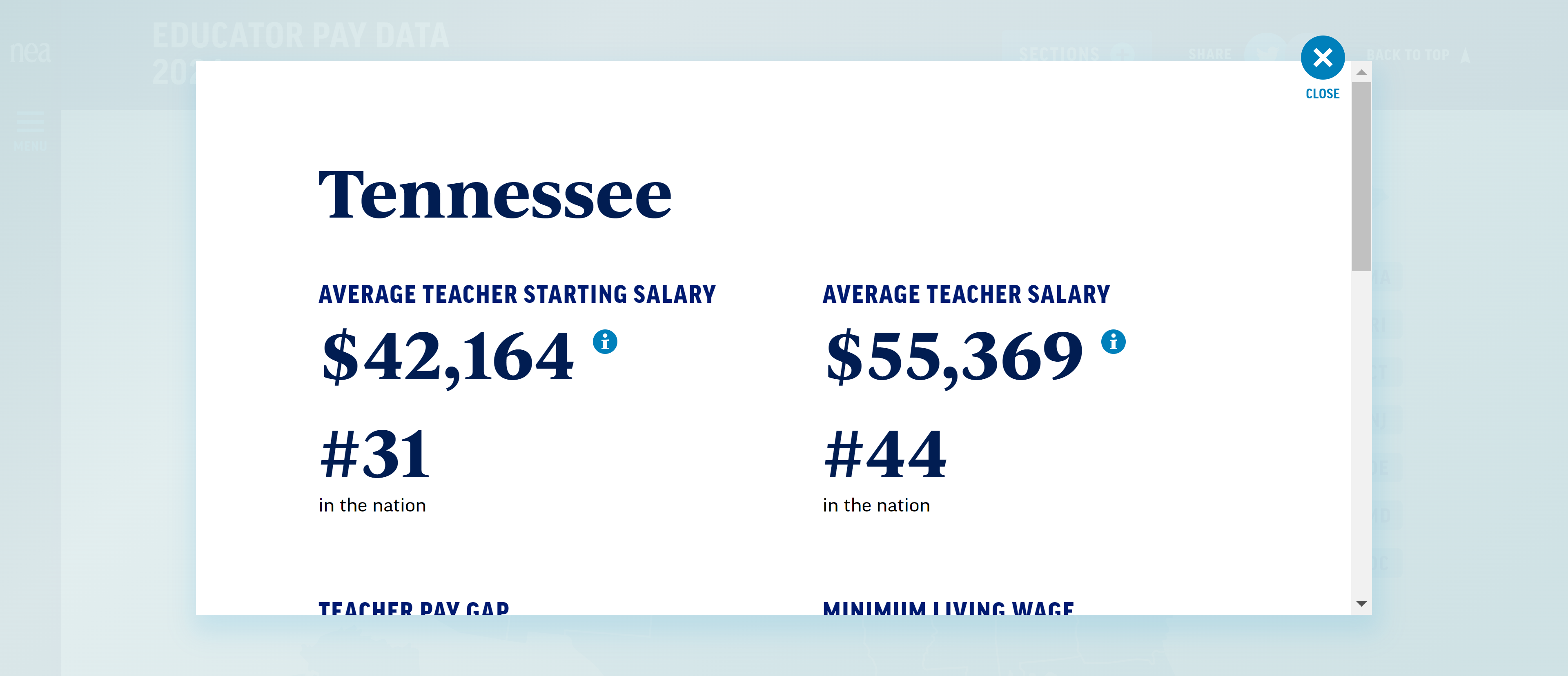
A new report reveals that average teacher pay in the state ranks Tennessee 44th in the nation – and among the lowest in the Southeast. Alabama, Kentucky, Georgia, South Carolina, North Carolina, and Virginia all pay their teachers more than Tennessee does.
National Education Association report on school funding
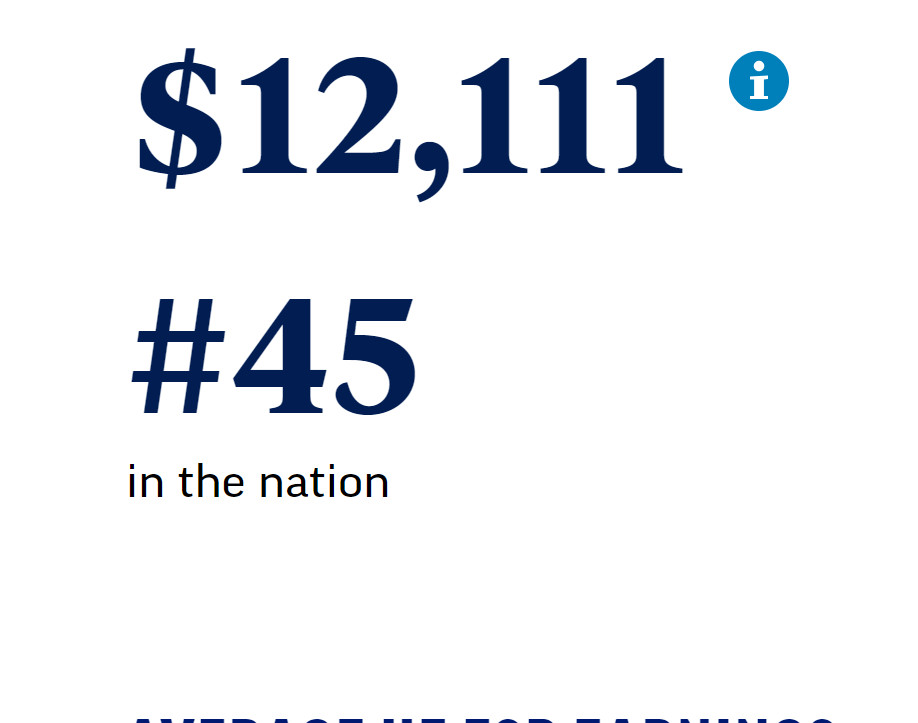
When it comes to per pupil spending, Tennessee is also in familiar territory: Near the bottom.
National Education Association report on school funding
Of course, Lee and his allies are fond of claiming everything is fine – that they’re doing a great job of funding schools. A few years back, I examined that claim up close and that takedown still applies:
So, the TN House GOP is all excited about spending $616 million plus over TEN years, while the state is sitting on a $3.1 billion surplus this year alone! That means we could spend $616 million in teacher salaries THIS YEAR and still have more than $2.4 billion LEFT to spend. Read that again. Republicans are bragging about taking an entire decade to allocate in total what is available THIS year and could be funded while still leaving $2.4 billion for other priorities.
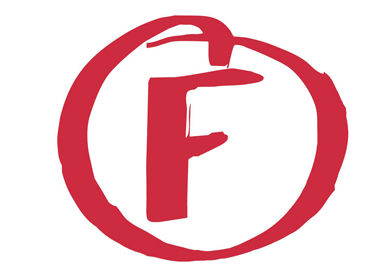
When it comes to school funding, Tennessee stands at a solid “F” and our policymakers seem to be just fine with that.
Minimum salary moved to $50K, all teachers will see pay increase
Districts across Tennessee are making moves to increase teacher compensation in the face of a growing shortage of applicants and long lists of open positions.
Chalkbeatreports that Memphis-Shelby County will move starting teacher pay to a minimum of $50,000 a year and bump pay for all teachers – raises that could amount to $4000 or more for most teachers.
Memphis-Shelby County Schools is raising its minimum teacher salary to $50,811 under a new agreement with its two teachers unions, delivering on their salary goals despite a $150 million budget shortfall next year.
Teachers, administrators, and board members, meanwhile, cheered the agreement, which raises the district’s starting salary by 8% for teachers with undergraduate degrees and ensures that veteran teachers receive raises once they have hit the top of the district’s 19-step salary scale.
The move comes even as lawmakers rejected providing additional state funds to assist school districts in raising teacher pay.
Lawmakers reject additional investment in teacher pay
Republicans on the Senate Finance Committee rejected a move that would have invested the $140 million+ allocated for Gov. Lee’s voucher scheme into an increase in teacher pay.
“This amendment would take the K-12 education funding set aside for Gov. Lee’s school voucher program and reassign it to the K-12 student funding formula,” said Sen. Lamar. “There are so many needs our public school system has that this voucher money could be used for — one of which being teacher raises.”
The proposal failed on a party-line vote, with all nine Republicans on Senate Finance opposing the move.